Postdoctoral researcher

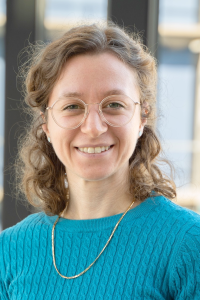
I am an early-career researcher with a background in stem cell research and gene therapy for neuroimmunological conditions. I am interested in advancing stem cell models to investigate complex biological processes, such as hematopoietic stem cell emergence, to improve therapeutic applications.
Hematopoietic stem cells (HSCs) sustain continuous generation of blood and immune cells throughout our lives. This is achieved by balancing quiescence, self-renewal and proliferative expansion, each of which is essential to preserve a functional HSC pool. Wnt signaling is a key developmental pathway, originally identified as a master regulator of embryogenesis. In the hematopoietic system, a complex interplay between canonical and non-canonical Wnt pathways regulates the balance between HSC quiescence and self-renewal, and also shapes lymphopoieis in the thymus. Despite substantial progress in the last two decades, the mechanisms by which Wnt signaling controls these fundamental aspects of hematopoiesis remain incompletely understood. In my current research, I integrate advanced multiomic technologies with state-of-the-art induced pluripotent stem cell (iPSC) models to better understand how HSC functionality and T cell development are regulated, focusing on Wnt-dependent effects. The ultimate aim is to develop new strategies to modulate genes and pathways to improve ex vivo culture of HSCs, increasing their availability for therapeutic applications such as bone marrow transplantation and HSC gene therapy.
I obtained my Bachelor's degree in Molecular Biology at the University of Padova and my Master's degree in Functional Genomics at the University of Trieste, both in Italy. I completed my Master thesis on the role of age-related epigenetic modifications in the pathogenesis of amyotrophic lateral sclerosis. I had the opportunity to further pursue my interest in the immunological aspects of neurodegeneration during my PhD at the University of Zurich, working on the development of HSC gene therapy for frontotemporal dementia. One major output was the development of novel lentiviral vectors with myelospecific activity designed for expression in microglia, the tissue-resident macrophages of the brain. This project also allowed me to gain expertise with human HSCs and iPSCs. In the future, I aim to further pursue my interest in stem cell research and iPSC technologies to support future clinical applications.
Looking for information on one of our topics, a new place to conduct your research or connect to experienced researchers to join forces with? Feel free to contact us!